The Neutral Sneaker Guide: Is the Investment Pair Worth It?
This post contains affiliate links, including Amazon Associate links. We may earn a commission if you buy through them, at no extra cost to you.
The one shoe that works with nearly everything already in the closet.
A clean white or off-white sneaker has become the connective tissue of a quiet-luxury wardrobe: it grounds tailoring, softens denim, and reads as considered rather than athletic when the silhouette stays simple. Here’s how to actually choose one, and whether the investment version is worth it.
What Makes a Sneaker “Neutral”
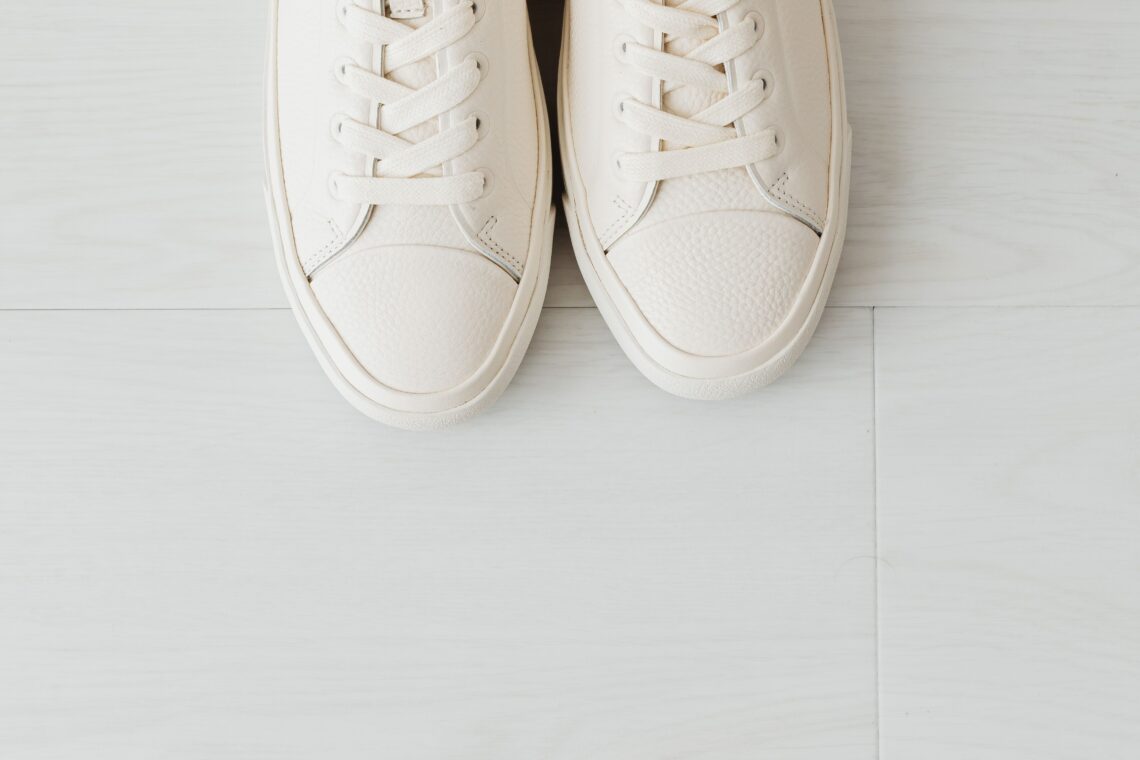
Low-top, minimal panel lines, and a sole that isn’t chunky or brightly colored. Leather or leather-look uppers age better and look more intentional than mesh athletic materials. Branding should be small or tonal: a loud contrast-color logo pulls the whole shoe back toward “athletic” rather than “elevated.”
Is the Investment Pair Worth It?
For a shoe worn several times a week, yes: with caveats. Premium leather sneakers hold their shape and color longer, and full-grain leather can be resoled or refreshed rather than replaced. But the jump in price doesn’t always track with visible quality; a well-made $110 sneaker in the right silhouette can look nearly identical to a $300 one in photos and from three feet away. The investment pays off most in durability, not in how it looks on day one.
Shop the Story
ELEVATED TIER
- Common Projects Achilles Low (Men’s): full-grain Italian leather, no branding but a gold heel stamp, the shoe most others are compared to. Price: $389
- Common Projects Achilles Low (Women’s): the same construction and silhouette, sized for women. Price: $389
MID-TIER (Best Value)
- Thursday Boot Co. Premier Low Top: genuine leather, clean silhouette, holds up well next to shoes twice the price. Price: $135
- Thursday Boot Co. Premier Low Top (Women’s): same construction and price as the men’s, sized for women. Price: $135
BUDGET TIER
- FRACORA Minimal Leather-Look Sneaker: synthetic leather, clean low-top shape, no logos to speak of. Price: $26.99
- Adokoo Minimal Leather-Look Sneaker (Women’s): synthetic leather, clean low-top shape, same budget-friendly value. Price: $25.99
Keeping Them Looking New
A white sneaker’s biggest enemy isn’t wear: it’s yellowing from UV exposure and buildup from skipping regular cleaning. Wipe down after wear with a damp cloth rather than waiting for visible dirt, keep a second pair in rotation so each gets time to fully dry between wears, and store away from direct sunlight. A $95 pair maintained well will outlast a $300 pair that isn’t.
One Pair or Two?
If budget allows for only one, go white or off-white: it pairs with more of an existing wardrobe than any other color. A second pair, if added, is best in a matte black or deep neutral rather than a second white pair; it extends versatility into dressier or evening contexts the white pair can’t quite cover.